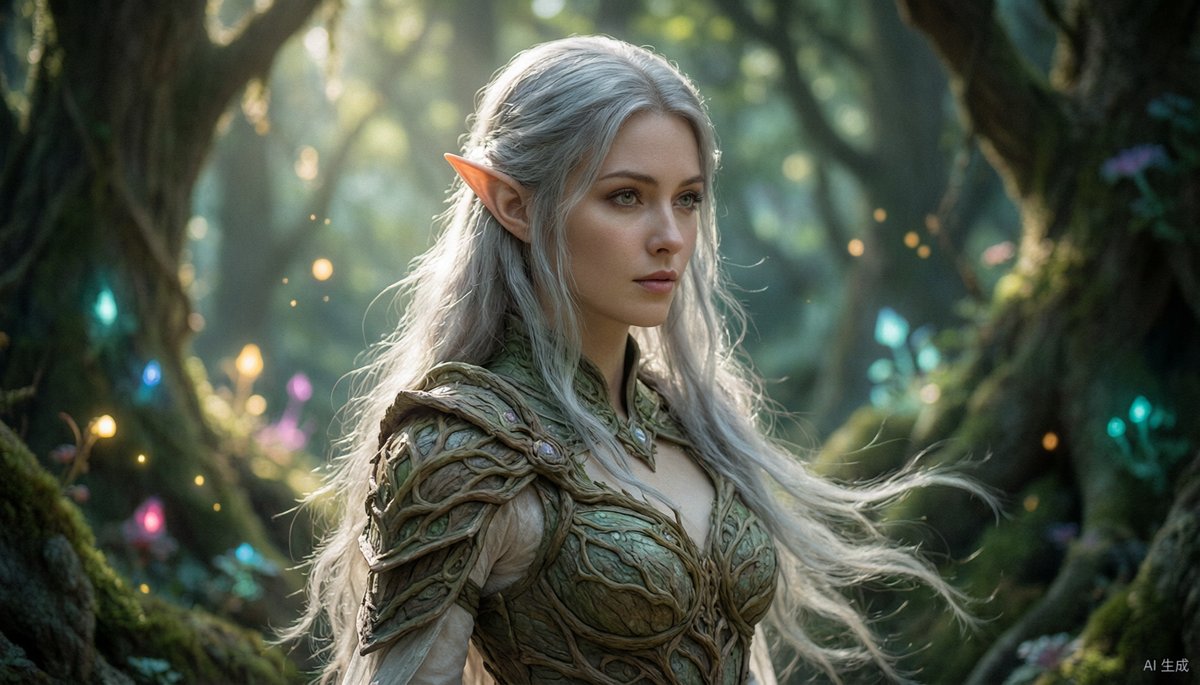
The biggest mistake players make with elf names is picking a subrace at random. Your elf's subrace should match their class, background, and personality -- not just sound cool. A wood elf ranger named "Thornbow Oakshield" feels right. A wood elf wizard named "Thornbow Oakshield" feels wrong. Here's how to match your character to the correct elven heritage:
Step 1: Match Subrace to Character Class
Each elf subrace has natural affinities for certain classes. This isn't just about game mechanics -- it's about cultural identity. An elf's name should signal what they do and where they come from.
- Wood Elf: Rangers, Druids, Monks, Barbarians. These classes reflect the wood elf's connection to the forest, their physical prowess, and their role as protectors of the wild. A wood elf's name should sound earthy and grounded: Thornbow, Fernwalker, Oakshield.
- High Elf: Wizards, Sorcerers, Bards, Clerics. These classes reflect the high elf's intellectual pursuits, arcane mastery, and celestial connections. A high elf's name should sound noble and magical: Auralion Starweaver, Thalorin Moonwhisper, Aerendil Spellforge.
- Drow/Dark Elf: Rogues, Warlocks, Fighters, Assassins. These classes reflect the drow's cunning, their Underdark survival skills, and their complex relationship with dark powers. A drow's name should sound dangerous and exotic: Riz'zt V'lorn, Zarvek Shadowbane, Zilvra Mez'kavan.
Step 2: Consider Your Character's Background
Your elf's background story should influence their subrace choice. Ask yourself: Where did they grow up? What shaped their worldview? What do they fear or revere?
Arcane academy graduate: High Elf. Studied in the celestial spires, mastered the arcane arts. Name reflects scholarship: Auralion Dawnquill, Celestiel Starshine.
Underdark exile: Drow. Fled the lightless caverns, rejected the old ways. Name reflects darkness and defiance: Riz'zt V'lorn, Zilvra the Redeemed.
Step 3: Choose a Name That Tells a Story
An elf's name is not just a label -- it's a compressed biography. Every syllable should hint at who they are, where they come from, and what they value. Use our etymology breakdown to understand what your generated name means, then adjust it to better fit your character's story.
Example: If your wood elf ranger lost their family to a forest fire, they might take the name "Ashwalker" to memorialize that tragedy. If your high elf wizard discovered a new spell, they might earn the epithet "Spellweaver." If your drow rogue escaped the Underdark, they might abandon their house name and adopt "Shadowbane" to mark their rejection of their heritage.