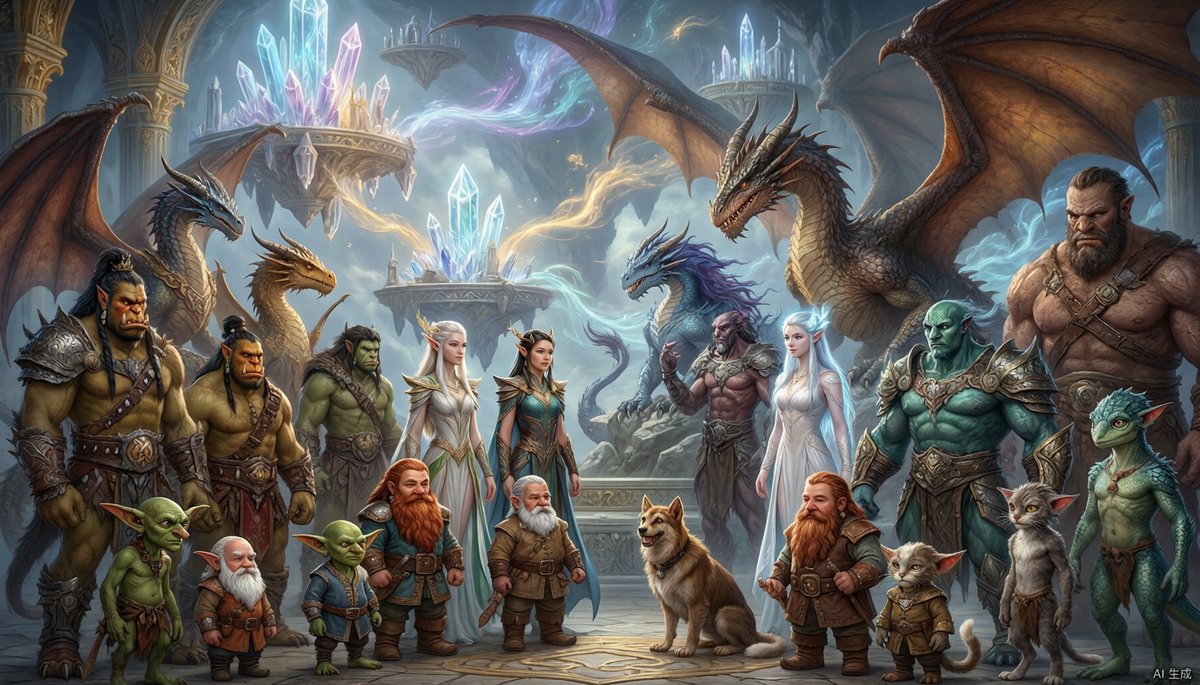
Diverse fantasy races including elves, dwarves, dragons, orcs, and tieflings gathered in an epic fantasy scene

Fantasy Race Name Generators

18 comprehensive D&D 5e race name generators with cultural lore, etymology, and character cards

Browse All Race Name Generators

Choose a race to generate authentic names with cultural meanings and lore. Each generator follows established naming conventions from fantasy literature and tabletop RPGs.

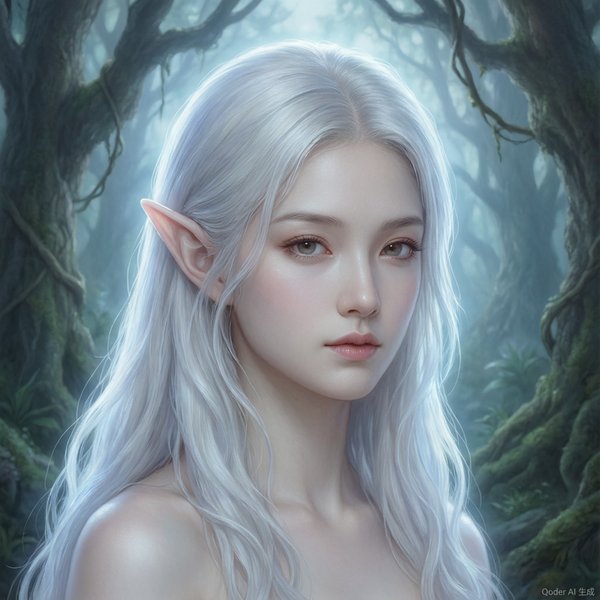
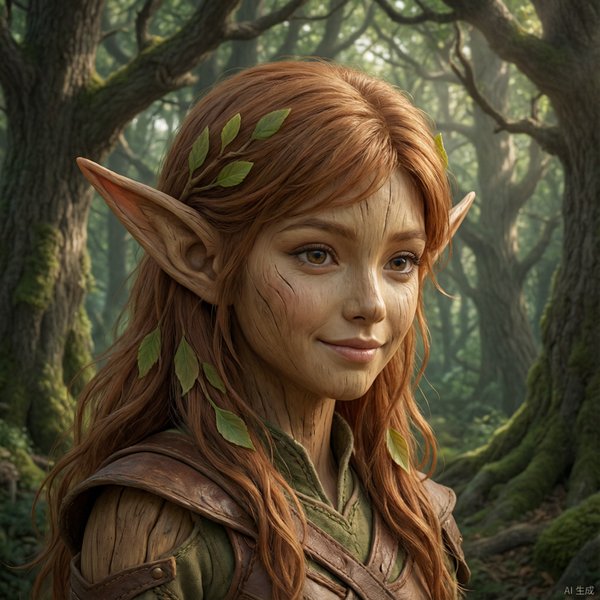
Elf Name Generator

Elf Name Generator

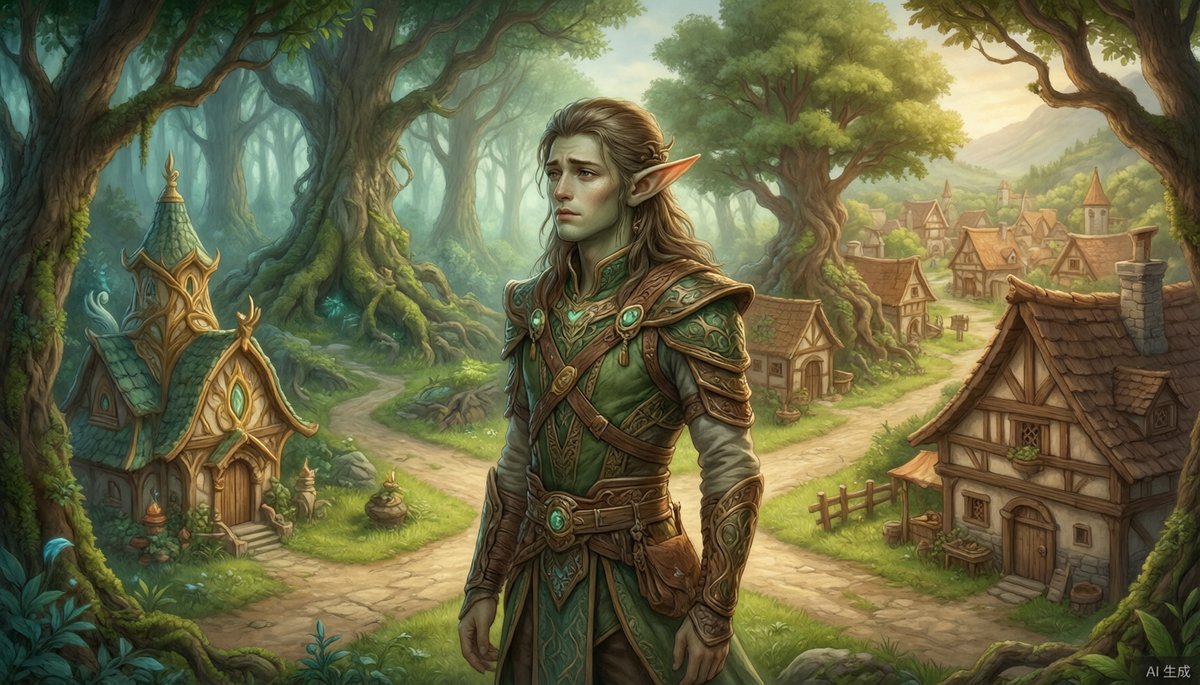
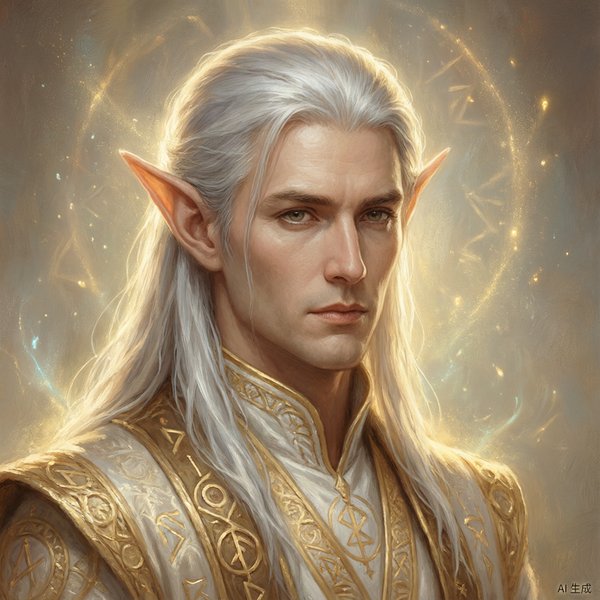
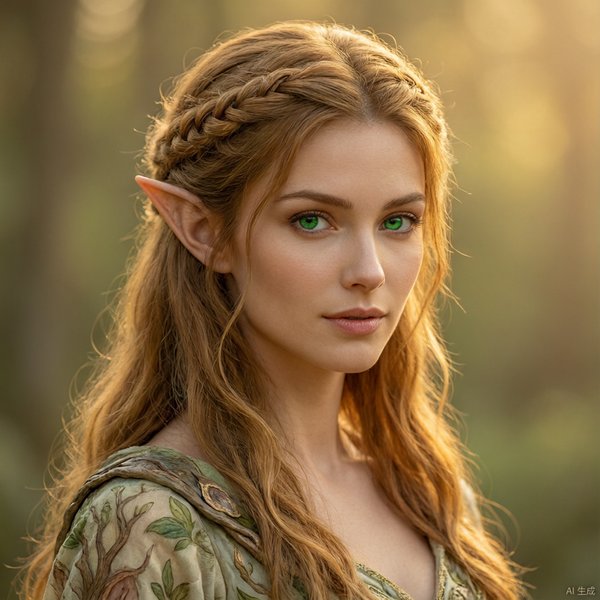
Elegant names with flowing vowels and soft consonants. Includes wood elf, high elf, and dark elf variants. Perfect for ancient forest-dwelling characters.

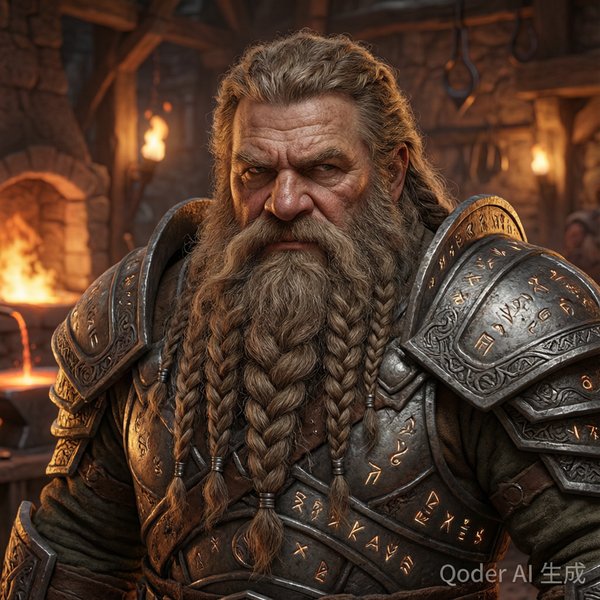
Dwarf Name Generator

Dwarf Name Generator

Sturdy names with harsh consonants and Norse-inspired sounds. Generate first names and clan names that echo through mountain halls.

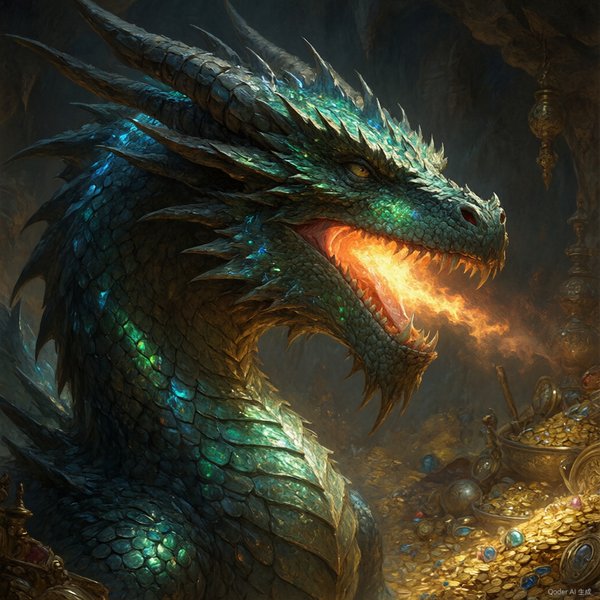
Dragon Name Generator

Dragon Name Generator

Majestic names with powerful sibilant sounds. Generate ancient dragon names with titles that command respect and fear.

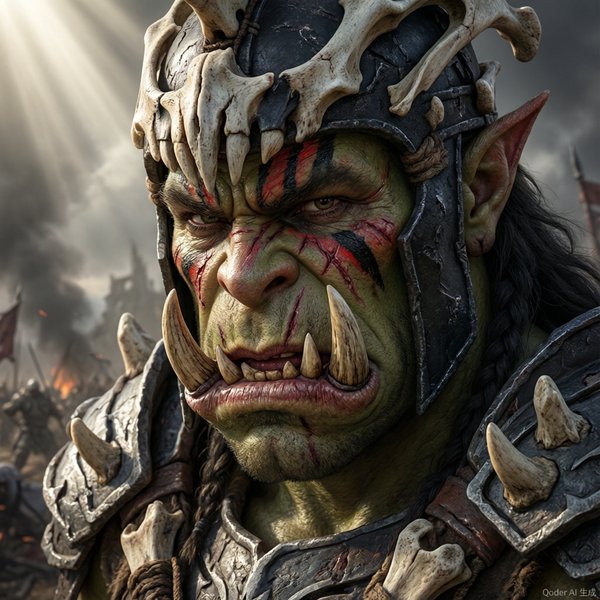
Orc Name Generator

Orc Name Generator

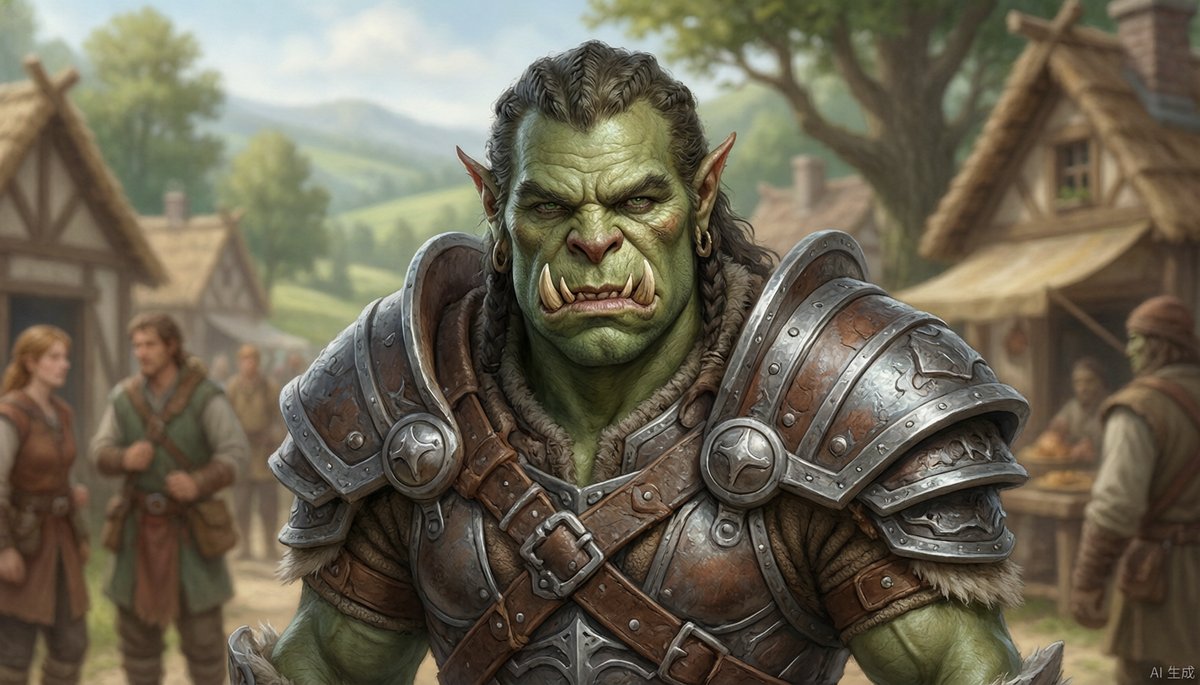
Brutal names with guttural sounds and warrior epithets. Create orc names that strike fear into the hearts of enemies.

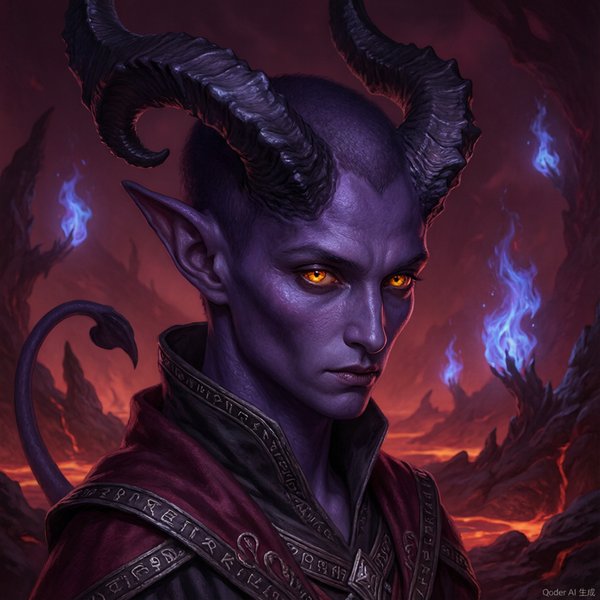
Tiefling Name Generator

Tiefling Name Generator

Dark, exotic names with infernal heritage. Choose between traditional demonic names or virtue names that transcend their origins.

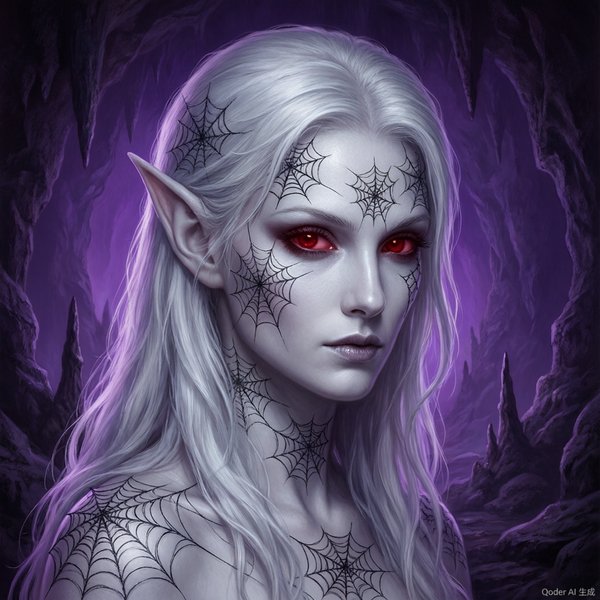
Drow Name Generator

Drow Name Generator

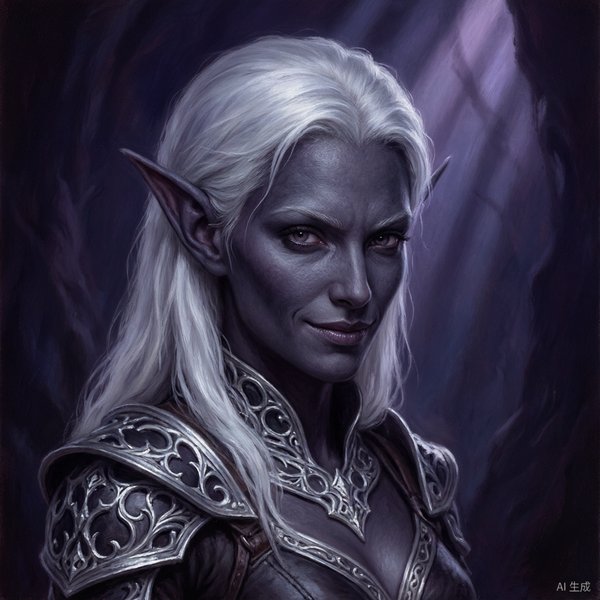
Underdark names with X, Z, and apostrophes. Generate dark elf names including noble house names from the depths below.

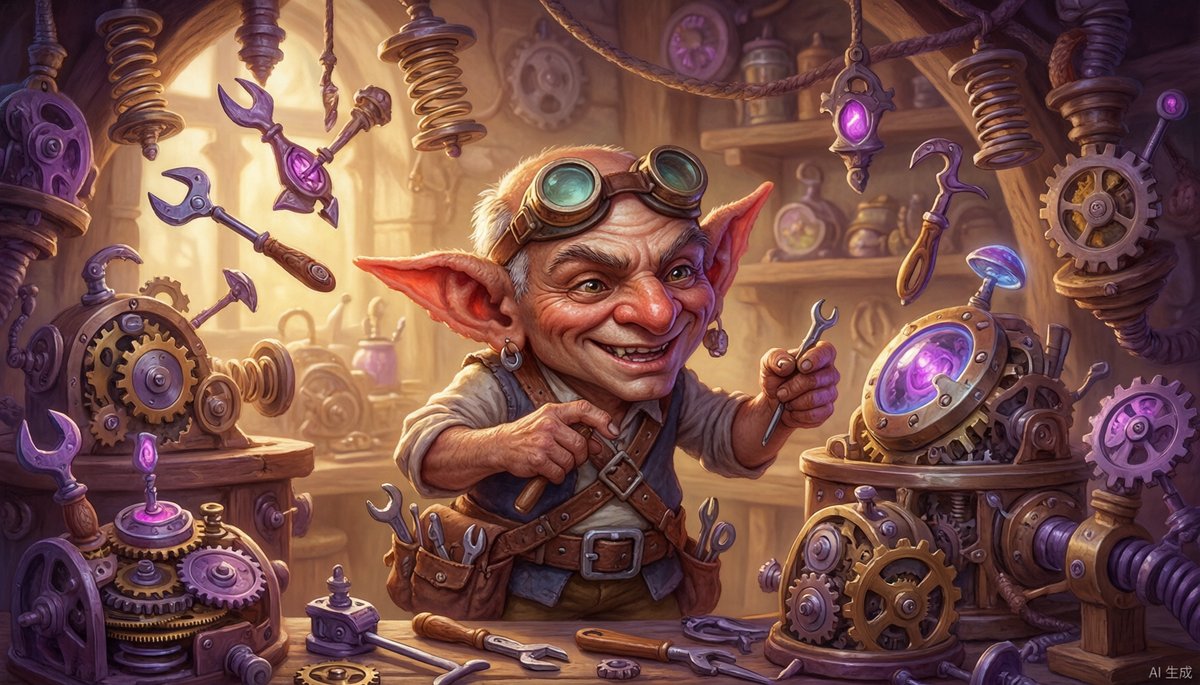
Gnome Name Generator

Gnome Name Generator

Whimsical names with professional tinker titles. Rock gnomes earn craft titles, forest gnomes use nature compounds, deep gnomes adopt survival epithets.

Goblin Name Generator

Goblin Name Generator

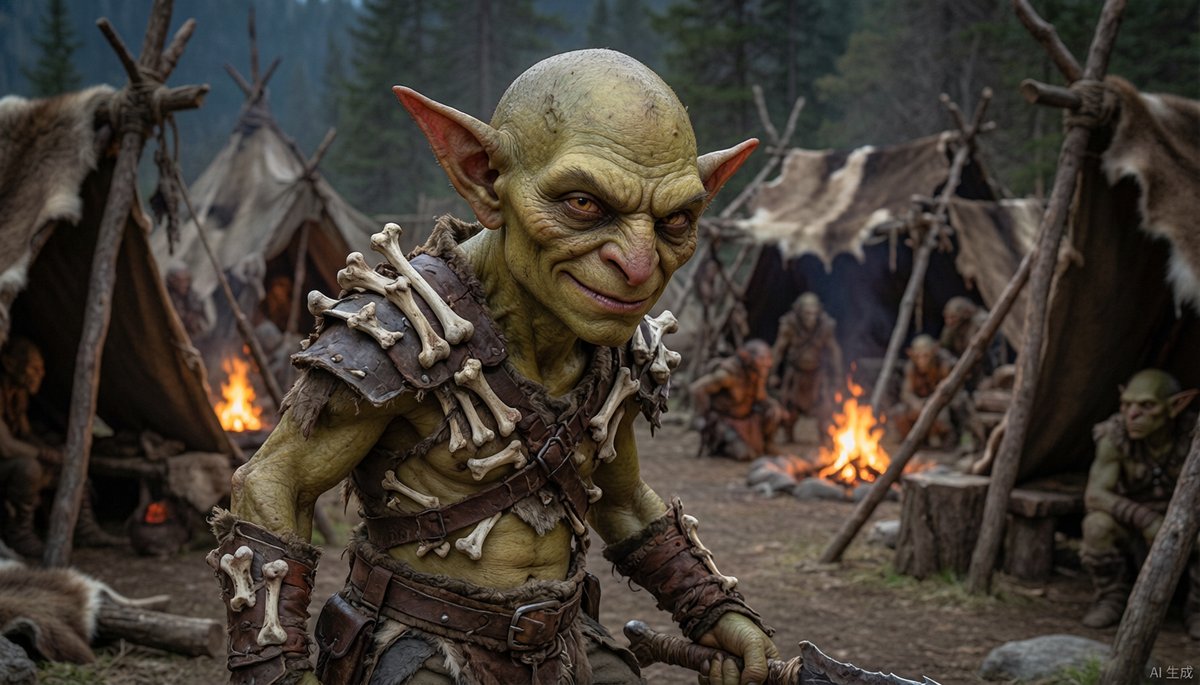
Cunning names earned through treachery and survival. Boss goblins get longer names, lesser goblins get short grunt names. Names reflect tribal hierarchy.

Half-Elf Name Generator

Half-Elf Name Generator

Names between two worlds. Choose elven tradition, human tradition, or blend both. The naming choice reflects identity and where they belong.

Half-Orc Name Generator

Half-Orc Name Generator

Dual naming: orcish birth name plus chosen human name, with epithets earned through deeds. Names prove worth in either human or orc society.

Halfling Name Generator

Halfling Name Generator

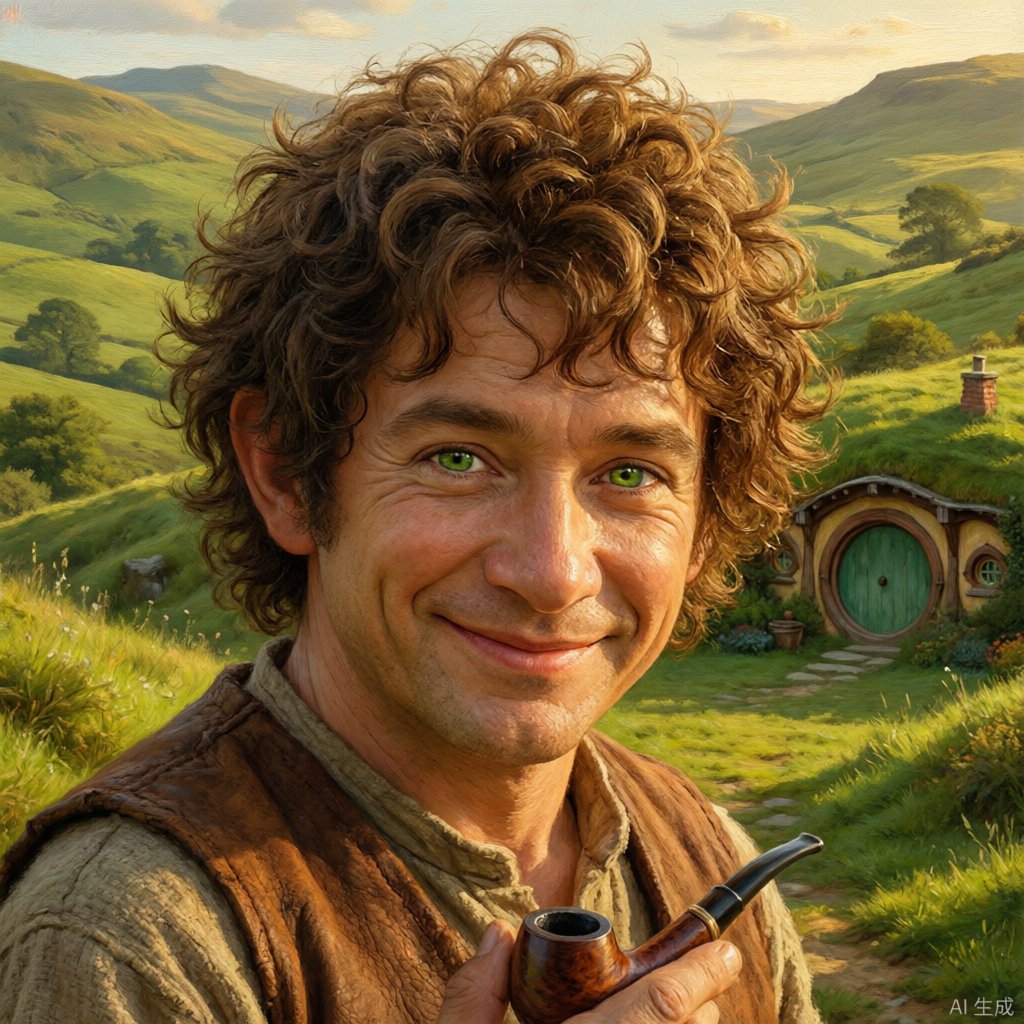
Family names reflecting generations of reputation, plus childhood nicknames that stick for life. Many names relate to food, cooking, and community.

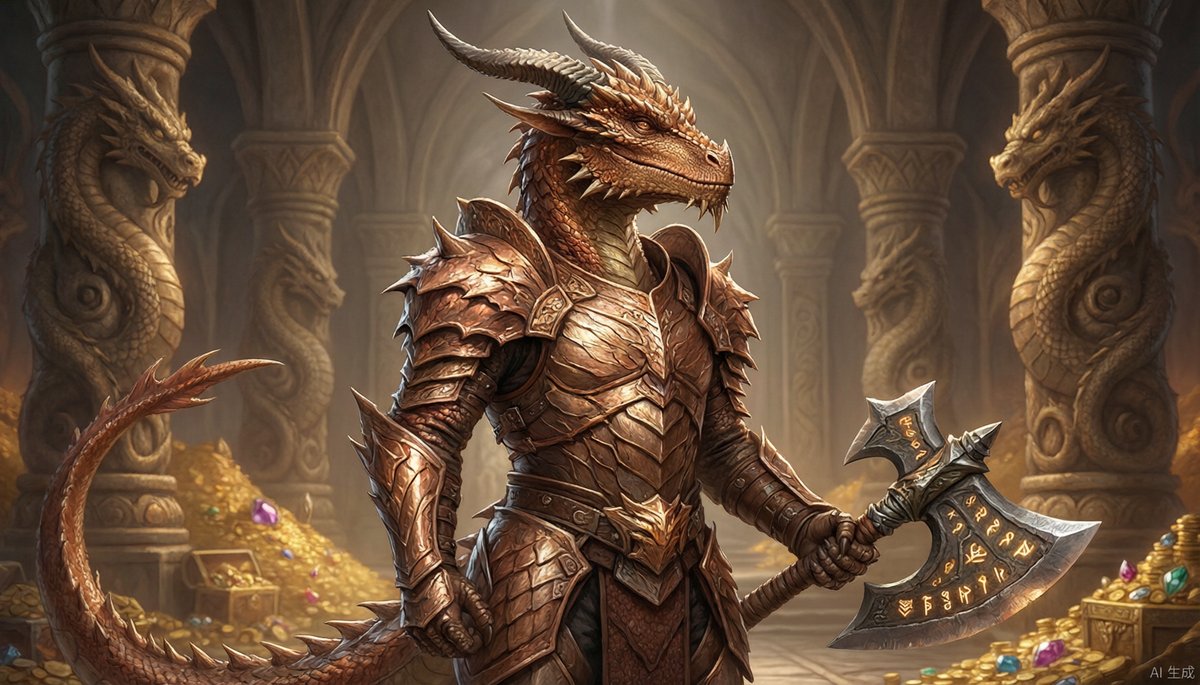
Dragonborn Name Generator

Dragonborn Name Generator

Three-part names: personal name, clan name, and great deed epithet. Each component declares draconic ancestry and earned achievements.

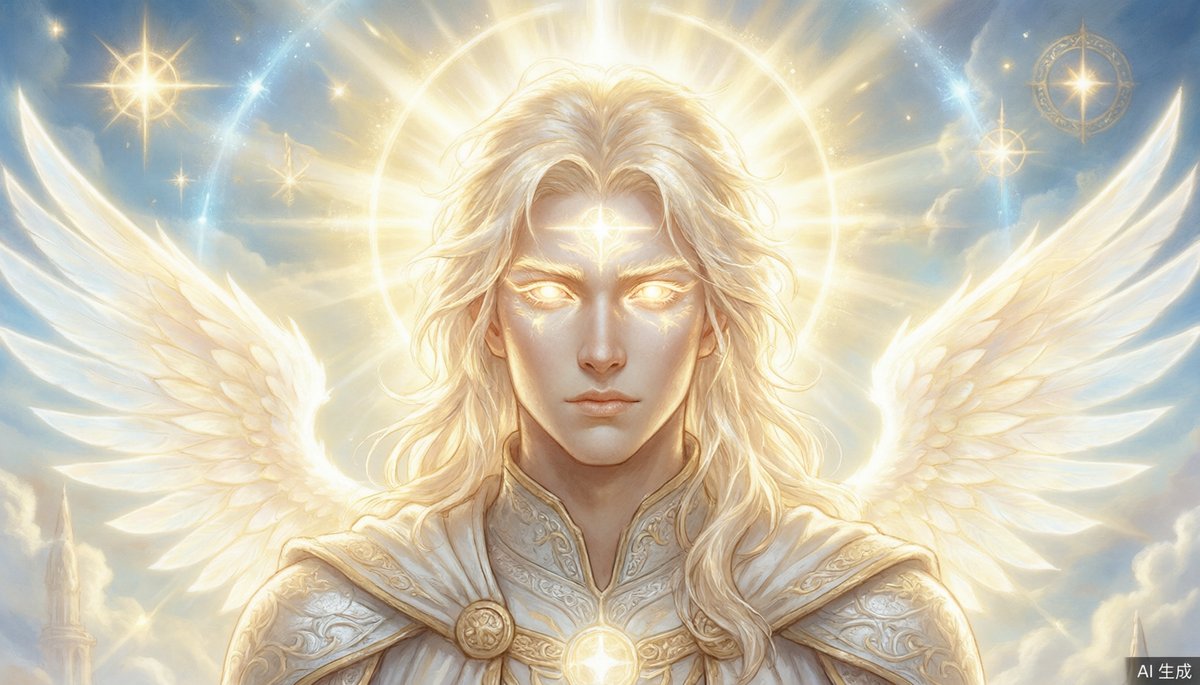
Aasimar Name Generator

Aasimar Name Generator

Dual naming: mortal birth name plus celestial name revealed through divine visions. Names reflect celestial heritage and divine calling.

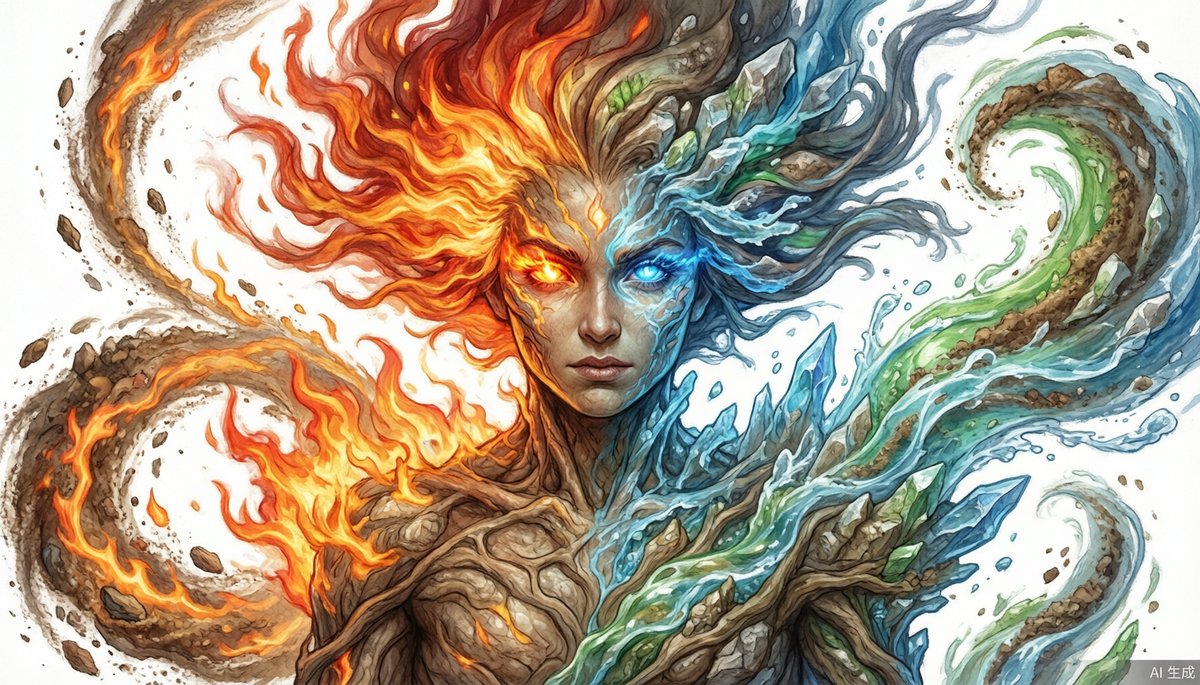
Genasi Name Generator

Genasi Name Generator

Elemental names tied to heritage. Fire genasi use flame words, water genasi use flow words, earth genasi use stone words, air genasi use wind words.

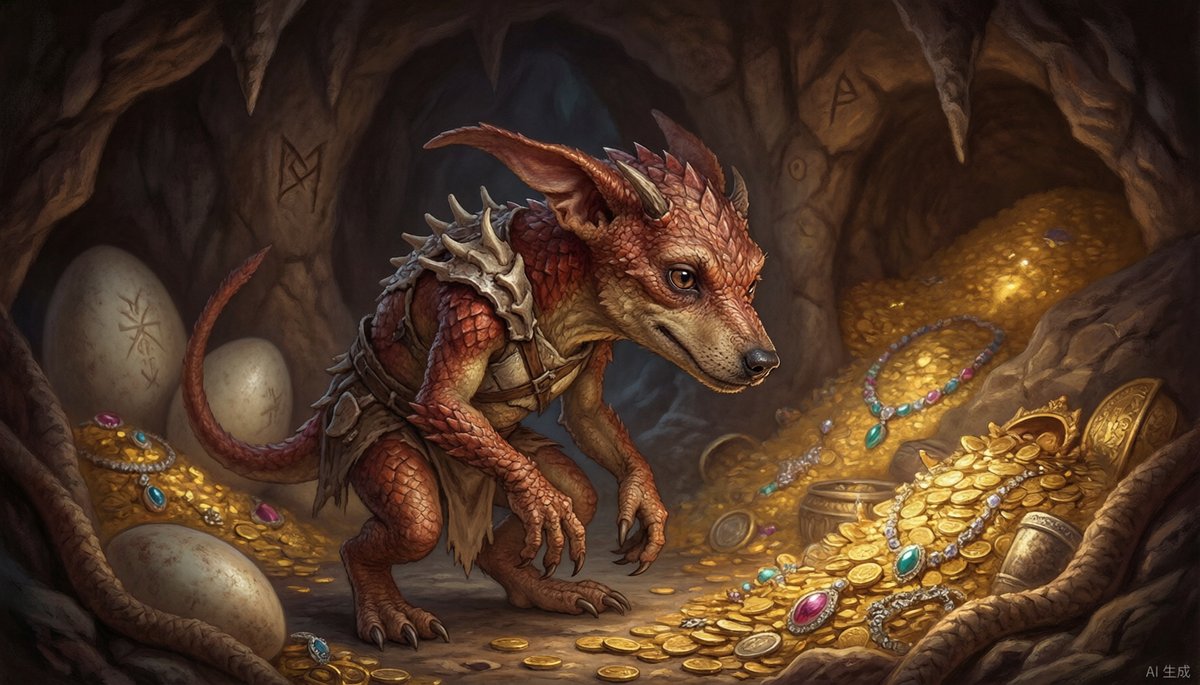
Kobold Name Generator

Kobold Name Generator

Dragon-given names showing subservience and pack identity. Kobolds receive names from their dragon master and are identified by pack first.

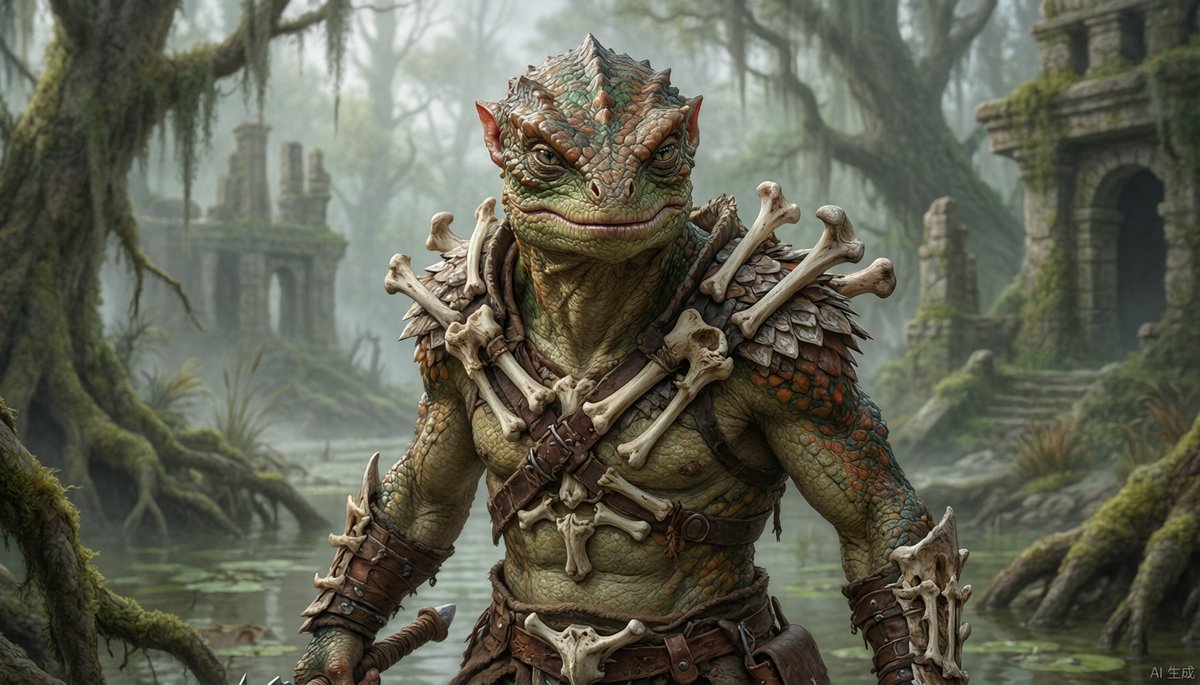
Lizardfolk Name Generator

Lizardfolk Name Generator

Alien naming with unpronounceable Draconic names and practical Common names. Names describe useful traits and survival achievements.

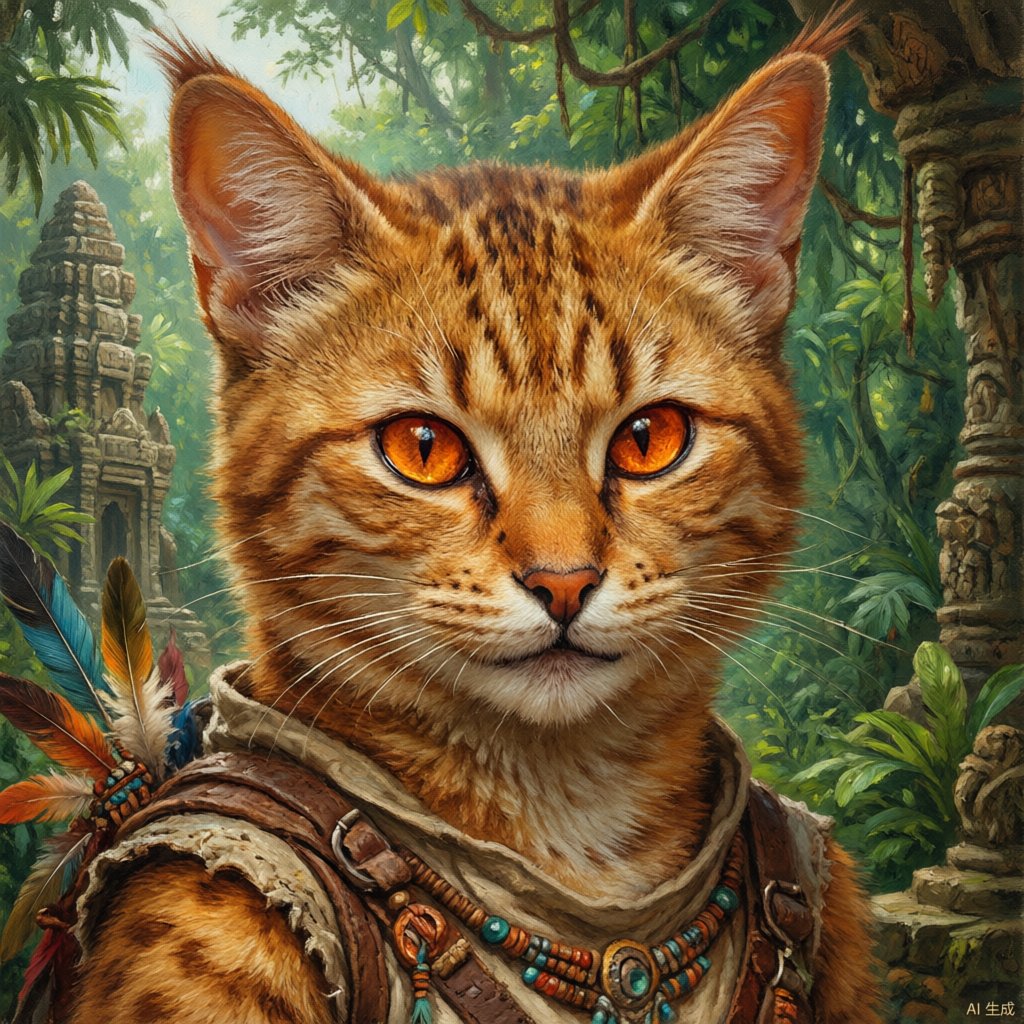
Tabaxi Name Generator

Tabaxi Name Generator

Story-names based on personality traits, curiosities, and feline behaviors. Every tabaxi name tells a story about who they are.

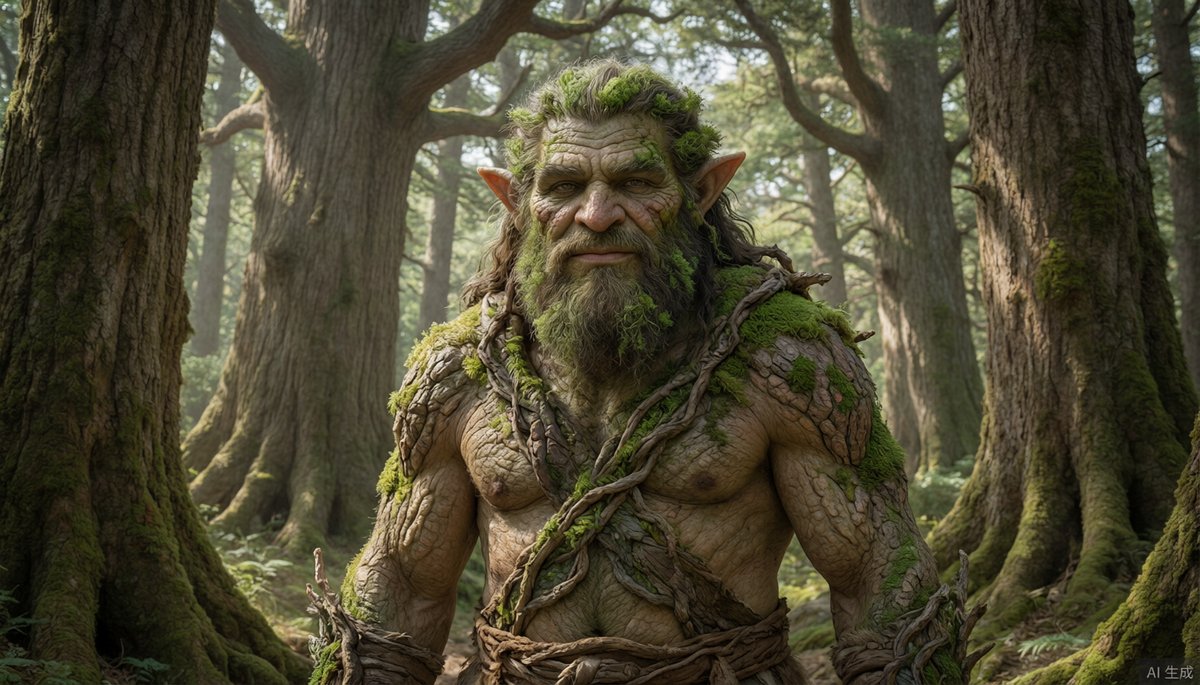
Firbolg Name Generator

Firbolg Name Generator

Dual heritage names blending giant tradition with forest guardianship. Long giant names for formal occasions, short forest names for daily life.

Elf Name Subtypes

Dive deeper into elven naming with specialized generators for each subrace and naming convention:

Why Race Naming Matters

A character's name is the most frequently spoken word at the table. Choosing a name that fits the character's race, culture, and personality shapes how everyone perceives and interacts with them. A dwarf named "Grudgehammer Ironforge" communicates something very different from one named "Bubbles Twinkletoes."

Culturally authentic names reinforce worldbuilding and create organic roleplaying moments. A tiefling with an infernal name like "Xarzith Mol'kerek" receives a different reception than one using a virtue name like "Hope." Names also affect memorability -- when the rogue shouts "Zix'til, cover the flank!" the distinctive name carries the weight of shared adventure.

Use the comparison table below to identify which race's naming style fits your character, then visit the linked generator to create authentic options.

Choosing a Race by Naming Style

Each race has a recognizable phonetic fingerprint. Match your preference to the right generator:

New to D&D? Generate a handful of names from each race, pick the sound that feels right, then build your character concept around it.

Naming Traditions by Race

Each race's naming tradition reflects their history and values. Here is a quick reference:

  • Elf: Celtic/Welsh-inspired. Adult name chosen at maturity reflects personal qualities. Wood elves use nature compounds (Oakheart), high elves prefer celestial themes (Starweave).
  • Dwarf: Norse-inspired. Sacred clan names describe ancestral deeds. Earned epithets record personal achievements.
  • Dragon: Names are declarations of power. Accumulated titles record deeds over centuries.
  • Orc: Short, harsh names earned through deeds. Longer names signal greater accomplishment.
  • Tiefling: Dual tradition: infernal names (Xarzith) or virtue names (Hope). Choice signals relationship with heritage.
  • Drow: X, Z, apostrophes. Female names longer (matriarchal society). House names carry political weight.
  • Gnome: Achievement-based tinker titles (Clockwork, Gearwhiz) plus clan names.
  • Goblin: Names earned, not inherited. Hierarchical length reflects status.
  • Half-Elf: Three traditions: elven, human, or blended. Choice reflects identity.
  • Half-Orc: Dual naming: orcish birth name plus chosen human name.
  • Halfling: Family reputation names plus lifelong childhood nicknames.
  • Dragonborn: Three-part structure: personal name, clan name, deed epithet.
  • Aasimar: Mortal birth name plus sacred celestial name revealed through divine visions.
  • Genasi: Elemental vocabulary: flame words (fire), flow words (water), stone words (earth), wind words (air).
  • Kobold: Names bestowed by dragon master. Pack identity first, individual name second.
  • Lizardfolk: Unpronounceable Draconic true names plus practical Common descriptors.
  • Tabaxi: Story-names describing personality (Five Temptations). Collected nicknames from travels.
  • Firbolg: Three tiers: formal giant names, daily forest names, hidden true names.

Naming Tips and Best Practices

Advanced Techniques

  • Blend traditions: Characters raised outside their birth culture can have hybrid names -- a dwarf raised among humans might use "Durgan Smith" instead of "Durgan Ironforge."
  • Earn epithets: Let names evolve with your character. "Kava" becomes "Kava the Dragonslayer" at level 5, then "Dame Kava, Shield of the Realm" at level 11.
  • Multiracial names: Half-elves and half-orcs can carry dual names from each heritage, used in different social contexts.

Common Mistakes to Avoid

  • Phonetic mismatch: An elf named "Grak the Smasher" feels wrong. Match sounds to race unless there is a backstory reason.
  • Overly complex names: If your party cannot shout it across a noisy table, simplify it. Give long formal names a short nickname.
  • Tone mismatch: "Sir Reginald Brightsword" works in heroic fantasy but not in grimdark horror. Match the table's expectations.

Testing Your Name

Run the shout test (can someone yell it across a battlefield?), the introduction test (does "Hi, I'm [name]" sound natural?), and the memory test (can someone repeat it after hearing it once?). Share your top three choices with your party for feedback.

Racial Name Comparison Table

The following table provides a quick-reference comparison of naming conventions across all 18 races covered by our generators. Use it to identify which race's naming tradition appeals to you most, or to ensure consistency when naming NPCs from different races.

Race Phonetic Pattern Syllable Count Cultural Inspiration Notable Features Example Names
Elf Flowing vowels, soft consonants (L, R, S, TH) 2-4 syllables Welsh, Finnish, Celtic Nature compounds, celestial references, subrace variants Aelindra, Thalion, Caelynn
Dwarf Harsh consonants, dense clusters (K, G, R, D) 1-3 syllables Old Norse, Germanic Clan names, earned epithets, metal/stone references Durgan, Hildrun, Rogar
Dragon Sibilant sounds, powerful stops (S, SH, Z, X) 3-6 syllables plus titles Draconic language, ancient tongues Accumulated titles, true-name magic, age-based complexity Valthorax, Serzinthia, Khorvax
Orc Guttural stops, minimal vowels (K, G, KH) 1-2 syllables base Germanic warrior cultures Deed-based lengthening, tribal epithets, earned names Grukk, Shara, Mog
Tiefling Exotic clusters, glottal stops, virtue words 2-4 syllables (infernal) or 1 syllable (virtue) Infernal/Abyssal, English virtue words Dual tradition (infernal vs. virtue), identity signaling Xarzith, Mol'kerek, Hope
Drow X, Z, apostrophes, unusual vowel combinations 2-4 syllables (gender-varied) Underdark dialects, corrupted Elvish Gender length differences, house names, political weight Zedra, Vicon, Zaknir
Gnome Whimsical compounds, playful sounds 2-3 syllables plus title Germanic folk tales, tinker culture Professional tinker titles, subrace-specific patterns Bodo Clockwork, Fernwhistle
Goblin Short, sharp, guttural 1-2 syllables base Tribal survival culture Earned not inherited, hierarchical length, deed-based Grik, Snaggletooth, Pox
Half-Elf Blended elven/human patterns 2-3 syllables Mixed Celtic and Anglo-Saxon Three traditions (elven, human, blended), identity choice Aelwen Carter, Thomas Moonwhisper
Half-Orc Dual: guttural orcish plus practical human 1-2 syllables (orc) or 2-3 (human) Mixed Germanic and Anglo-Saxon Code-switching names, earned epithets, dual identity Grukk/Gareth, Bloodhand
Halfling Soft consonants, familiar Anglo-Saxon sounds 2-3 syllables plus nickname English rural, Anglo-Saxon Family reputation names, lifelong childhood nicknames Bodo Goodbarrel, Pip
Dragonborn Draconic sibilants, imposing consonant clusters 2-3 syllables per component, 3 components Draconic language, ancient empires Three-part structure (personal, clan, epithet) Tarhun Clethtinthiallor
Aasimar Dual: mortal cultural plus celestial language 2-3 syllables each Celestial language, mortal culture Revealed celestial names, divine vision origins Aoth, Nadari, Celestian
Genasi Elemental vocabulary, nature sounds 1-3 syllables Elemental plane languages Element-specific vocabulary (fire, water, earth, air) Kallan (fire), Nix (water), Zephyr (air)
Kobold Short, functional, theme-based 1-2 syllables Dragon-given, pack identity Bestowed by dragon master, pack-first identification Meepo, Tunnel, Fang
Lizardfolk Dual: unpronounceable Draconic plus descriptive Common Variable (Draconic) or 2 compound words (Common) Draconic language, practical descriptors Secret true names, functional adopted names Sharp-tooth, Scale-back, Ithrix
Tabaxi Multi-word descriptive phrases, poetic 3-8 syllables (phrase names) Mesoamerican-inspired, story tradition Story-names describing personality, collected nicknames Five Temptations, Clouded Blue Sky
Firbolg Dual: long giant names plus short forest names 3-5 (giant) or 1-2 (forest) Giant-kin, Celtic forest tradition Three-tier naming (formal, daily, hidden true name) Grum'naroth / Fern, Moss

Frequently Asked Questions

How do I choose a name for my D&D character?

Start by selecting your character's race, then use our race-specific name generator to produce culturally authentic options. Consider your character's background, personality, and the campaign setting. Test the name by saying it aloud -- it should feel natural to speak and easy for other players to remember. If you are unsure, generate several options and pick the one that best fits the character concept you have in mind.

Can I mix naming traditions from different races?

Yes, especially for characters with mixed heritage like half-elves, half-orcs, tieflings, and aasimar. Blending naming traditions is a powerful way to reflect your character's dual identity. Even for single-heritage characters, you can blend traditions if there is a backstory reason -- for example, a dwarf raised among humans might adopt a more human-sounding name while keeping dwarven clan ties.

What makes an elf name different from a dwarf name?

Elven names use flowing vowels and soft consonants (L, R, S, TH) with 2-4 syllables, drawing from Celtic and Finnish linguistic traditions. Dwarven names use harsh consonants and dense clusters (K, G, R, D) with 1-3 syllables, drawing from Old Norse and Germanic roots. The phonetic difference is immediately noticeable: "Aelindra" sounds elven, while "Durgan Ironforge" sounds dwarven.

Do tieflings have to use infernal names?

No. Tieflings in D&D 5e have two naming traditions: infernal names that reflect their demonic heritage (like "Xarzith" or "Mol'kerek") and virtue names that reject or transcend it (like "Hope," "Creed," or "Sorrow"). Many tieflings choose virtue names to distance themselves from the prejudice their appearance already attracts. Some use both, with different names for different social contexts.

How do dragonborn names work?

Dragonborn names have three components: a personal name (given at hatching), a clan name (inherited from the family), and an epithet (earned through great deeds). The full name is used in formal settings, while the personal name alone signals informality. Clan names are long and imposing, reflecting the dragonborn's draconic heritage. For example: "Tarhun of Clan Clethtinthiallor, the Dragonslayer."

What is the best race name generator for NPCs?

All 18 generators on this page work well for NPCs. For quick NPC naming, generate a few options and pick the first one that feels right. If you need to name many NPCs from the same culture (like an entire goblin warband), use the goblin name generator to maintain phonetic consistency. For important NPCs, spend more time choosing a name that reflects their role and personality.

Can my character's name change during a campaign?

Absolutely. Many D&D campaigns feature characters who earn new names through their deeds. A level 1 adventurer might start with a simple name and gain an epithet after a major victory. Some characters deliberately adopt new names to mark a transformation -- leaving their old life behind, ascending to a new rank, or embracing a different identity. Discuss name evolution with your DM to make it feel meaningful.

How do tabaxi names differ from other race names?

Tabaxi names are unique because they are descriptive phrases rather than single words. A tabaxi might be named "Five Temptations," "Clouded Blue Sky," or "He Who Kept His Word." These names reflect the tabaxi's personality, a notable event, or a personal philosophy. They also collect nicknames from their travels, creating a web of names that tell different stories about who they are.

Are there naming rules for lizardfolk?

Lizardfolk have two naming systems. Among themselves, they use true names in Draconic that consist of sounds most humanoids cannot pronounce -- clicks, hisses, and subsonic rumbles. When dealing with other races, they adopt practical Common names that describe a useful trait or notable deed, like "Sharp-tooth" or "Quick-hunter." These adopted names are functional identifiers, not personal identities.

What should I avoid when naming my character?

Avoid names that are too complex to pronounce at the table, names that break the established lore of your campaign setting, names that clash with the campaign's tone (like "Sir Funnybones" in a horror game), and names that appropriate real-world sacred terms without understanding their significance. Most importantly, avoid names that you will not enjoy hearing spoken hundreds of times over the course of a campaign.